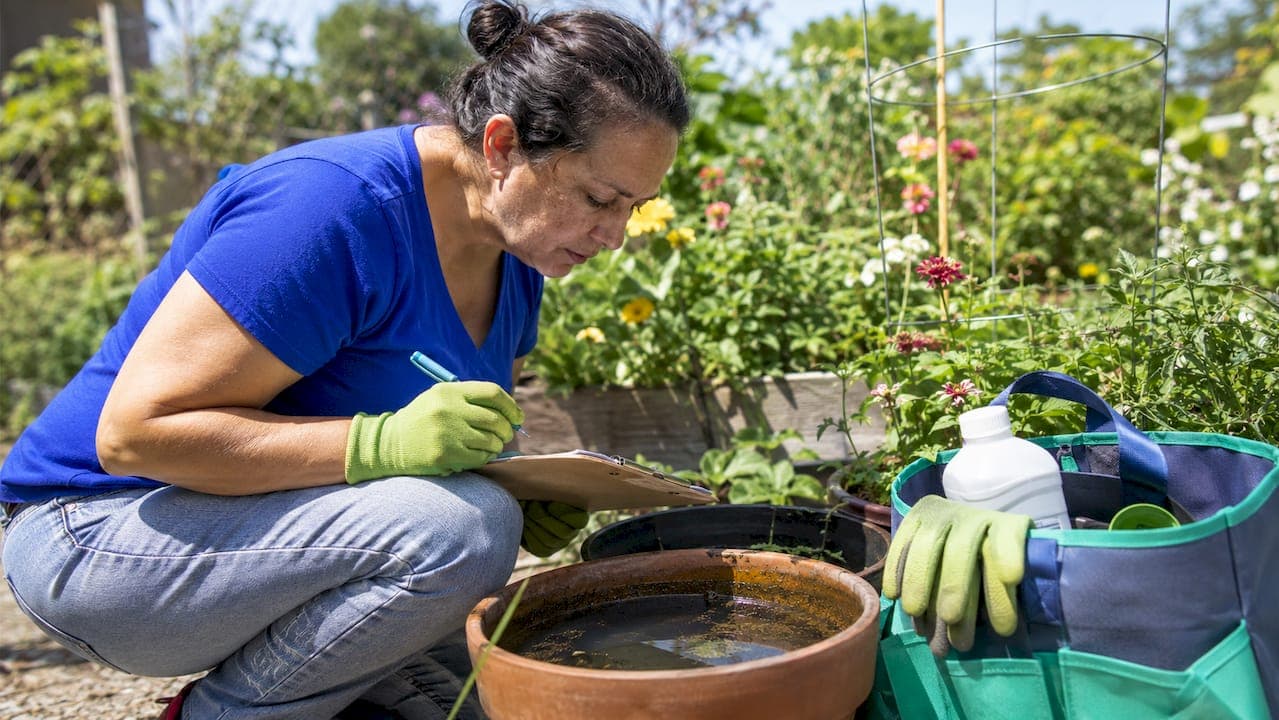
Community mosquito control is defined as a coordinated, neighborhood-wide effort to reduce mosquito populations through source elimination, biological treatment, and resident participation. The community mosquito control benefits extend well beyond fewer bites. They include lower disease transmission rates, reduced pesticide use, and stronger public health outcomes for everyone in the area. Programs built on Integrated Mosquito Management (IMM), a science-based framework used by organizations like the Centers for Disease Control and Prevention (CDC) and local mosquito control districts, deliver results that no single homeowner can achieve alone.
1. What makes community mosquito control benefits so significant?
Mosquito management advantages multiply when neighbors act together. A single untreated yard can undo weeks of work by surrounding households. Coordinated programs close that gap by treating the entire neighborhood as one unit, which is the only way to achieve lasting population suppression.
IMM combines surveillance, larviciding water sources, limited adulticide use, and public education. The goal is not eradication. It is keeping mosquito populations below the threshold where they pose a health risk, while protecting non-target species and minimizing chemical exposure.
2. What approaches make community mosquito control effective?
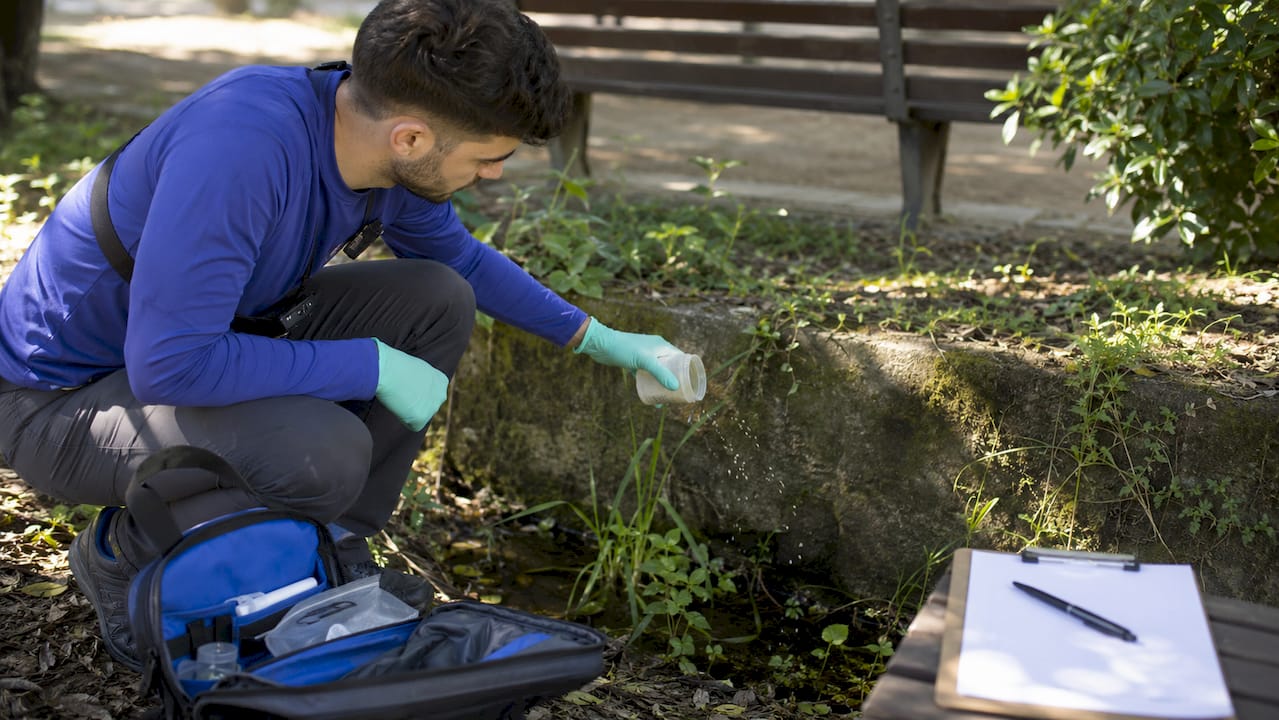
Effective programs rely on layered methods rather than a single tactic. Each layer targets a different stage of the mosquito life cycle.
- Larval source management: Treating or eliminating standing water before eggs hatch stops populations before they start. This is the most cost-effective step in any program.
- Larviciding with biological agents: Bacillus thuringiensis israelensis (Bti) is a naturally occurring bacterium that kills mosquito larvae. Bti causes minimal harm to non-target species, making it a preferred choice for environmentally conscious programs.
- Larvivorous fish: Species like Gambusia affinis (mosquitofish) consume larvae in ponds and drainage channels without chemical input.
- Adulticiding: Fogging adult mosquitoes provides fast, short-term relief. It works best as a supplement to larviciding, not a replacement.
- Surveillance: Data-guided decisions prevent wasted treatments. Teams track trap counts, weather patterns, and disease reports to time interventions correctly.
Larviciding and source reduction provide longer-term population suppression compared to adulticiding, which offers only temporary relief. Programs that skip larviciding and rely on fogging alone repeat the same treatments season after season without reducing the underlying population.
Pro Tip: Map every standing water source in your neighborhood before the season starts. Catch basins, birdbaths, clogged gutters, and old tires are the most common breeding sites and the easiest to treat early.
3. How does community participation amplify mosquito management advantages?
Resident engagement is the factor that separates programs that work from programs that stall. When neighbors understand why control matters, they maintain their own properties and report new breeding sites, which multiplies the reach of any professional treatment.
Washington, D.C. demonstrated this clearly. Over 200 volunteers coordinated block-by-block mosquito management across the city. That scale of coverage is impossible to achieve with paid staff alone.
Organizing participation by neighborhood zones produces the best results:
- Assign block captains. Organizing by captain leads to higher efficiency and participation. Each captain owns a defined area and reports back to a central coordinator.
- Run health literacy workshops. The "Four Pest-Free Village" model showed that integrating health education with environmental management improves health literacy and reduces disease risk sustainably.
- Schedule regular clean-up days. Group events build social momentum and remove larval habitats faster than individual action.
- Create a simple reporting system. A shared map, a group chat, or a dedicated phone line lets residents flag new breeding sites in real time.
- Celebrate visible wins. Sharing trap count reductions with the community keeps volunteers motivated through the full season.
Pro Tip: Start with a small pilot zone of two or three blocks. Visible results in that zone recruit the next wave of volunteers faster than any flyer or meeting.
4. What are the environmental and public health benefits of mosquito control?
The public health benefits of mosquito management are direct and measurable. Mosquitoes transmit West Nile virus, dengue, Zika, and Eastern equine encephalitis. Reducing adult populations and eliminating breeding sites cuts transmission risk for the entire community, not just treated properties.
"Multiactor approaches co-created with local health authorities and communities increase program buy-in, improve resource allocation, and enable adaptation to environmental changes." — Ecohealth Approach to Dengue Control, Frontiers in Tropical Diseases, 2026
The environmental impact of mosquito control programs that use IMM is significantly lower than spray-only approaches. Key environmental benefits include:
- Reduced chemical load: Targeted larviciding with Bti replaces broad pesticide applications, protecting pollinators, aquatic insects, and birds.
- Preserved non-target species: Biological agents like Bti are highly specific to mosquito larvae and do not harm bees, dragonflies, or fish.
- Long-term habitat improvement: Community clean-up programs remove permanent larval habitats, reducing breeding grounds for years, not just one season.
- Lower resistance risk: Rotating biological and chemical tools slows the development of insecticide resistance in local mosquito populations.
5. What are the financial and logistical advantages of coordinated community programs?
Individual homeowners who treat their own yards spend money repeatedly without solving the neighborhood-wide problem. Coordinated programs share costs and deliver better outcomes per dollar spent.
| Approach | Cost model | Effectiveness | Duration of relief |
|---|---|---|---|
| Individual yard treatment | Per-household, repeated | Limited to property line | Days to weeks |
| Community fogging program | Shared cost, periodic | Neighborhood-wide adults | Days |
| Mosquito control district | ~$50 per household annually | Sustained, legally backed | Season-long |
| IMM-based district program | Shared, tiered funding | Larvae and adults targeted | Multi-season |
Formal mosquito control districts provide the strongest long-term value. They operate with legal authority to access private and public land, apply treatments at scale, and maintain surveillance year-round. The estimated cost runs about $50 per year for a household in a $200,000 home. That is less than a single professional yard treatment in most markets.
Funding models vary. Some districts operate through property tax assessments. Others use state grants, federal public health funding, or fee-for-service contracts with municipalities. The key advantage is continuity. A district does not stop operating when a grant runs out or a volunteer moves away.
6. How to start and sustain a community mosquito control program
Starting a program requires three things: a clear map of the problem, a committed core team, and a connection to local health authorities. None of those require a large budget to establish.
Identifying and targeting key breeding sites before mosquito hatching is the most critical step to prevent population surges. Start there.
- Survey breeding sites first. Walk the neighborhood and document every standing water source. Prioritize recurring environmental sources like drainage basins, riverbanks, and flood-prone areas, which account for the majority of local mosquito production.
- Build a leadership team. Recruit block captains, a data coordinator, and a liaison to your local health department or vector control agency.
- Contact your county vector control agency. Most counties offer free technical support, larvicide supplies, and trap monitoring for community programs.
- Set a surveillance baseline. Deploy mosquito traps before treatment begins so you can measure progress objectively.
- Integrate education into every event. Every clean-up day and neighborhood meeting is an opportunity to teach residents how to reduce mosquitoes on their own property.
- Review and adapt each season. Track what worked, what did not, and adjust treatment timing and locations based on trap data.
Sustained programs outlast single-season efforts because they build institutional knowledge and community trust over time.
Key takeaways
Community mosquito control programs deliver lasting public health, environmental, and financial benefits that individual yard treatments cannot match.
| Point | Details |
|---|---|
| IMM is the gold standard | Integrated Mosquito Management combines surveillance, larviciding, and education for multi-season results. |
| Community participation multiplies impact | Block captains and volunteer zones extend program reach far beyond what paid staff can cover alone. |
| Biological agents protect the environment | Bti and larvivorous fish target larvae without harming pollinators, fish, or other non-target species. |
| Coordinated programs cost less per household | A mosquito control district costs roughly $50 per household annually, less than one individual yard treatment. |
| Source elimination beats fogging | Removing or treating breeding sites provides longer-lasting population suppression than adulticiding alone. |
What I have learned from watching community programs succeed and fail
The real gap is not funding. It is follow-through.
I have watched well-funded community mosquito programs collapse by mid-season and shoestring volunteer efforts run for years. The difference is almost never money. It is whether someone owns the program week to week.
The programs that last assign a specific person to check trap counts every Monday, send a brief update to block captains every Friday, and schedule the next clean-up before the current one ends. That rhythm keeps volunteers engaged and keeps the data flowing. Without it, participation drops, breeding sites go unreported, and the program quietly dies.
The other pattern I keep seeing is over-reliance on fogging. Fogging feels satisfying because results are immediate and visible. But it does not reduce next season's population at all. The communities that make real progress are the ones that shift their energy toward larval source management in the spring, before adult populations peak. That requires discipline, because you are working against a problem you cannot yet see.
My recommendation for any local leader reading this: pick one breeding site category to eliminate completely in year one. Catch basins, abandoned containers, or a specific drainage channel. Nail that one thing. Measure the trap count change. Then use that result to recruit your next ten volunteers.
— Mohthshim
Ready to protect your neighborhood from mosquitoes?
Community programs set the foundation, and professional support makes them stronger. Homefixnow offers mosquito reduction programs designed to work alongside community efforts, targeting breeding sites and adult populations with EPA-approved, eco-friendly treatments. Our licensed technicians inspect your property, identify conditions that attract mosquitoes, and build a treatment plan that fits your neighborhood's specific needs.
Whether you are a homeowner looking to protect your yard or a local leader building a block-level program, Homefixnow is ready to help. We offer flexible scheduling, transparent pricing, and a satisfaction guarantee. If mosquitoes return between treatments, so do we. Call us today for a free inspection and take the first step toward a mosquito-free season.
FAQ
What is community mosquito control?
Community mosquito control is a coordinated, neighborhood-wide program that reduces mosquito populations through source elimination, biological treatment, surveillance, and resident participation. It uses Integrated Mosquito Management principles to protect public health across an entire area, not just individual properties.
How does community mosquito control reduce disease risk?
Targeting breeding sites and adult mosquitoes across a full neighborhood lowers the density of disease-carrying species like Aedes aegypti and Culex pipiens. Lower population density directly reduces the transmission risk for West Nile virus, dengue, Zika, and other mosquito-borne illnesses.
What is the most cost-effective mosquito control strategy for a community?
Formal mosquito control districts deliver the best value, at an estimated cost of about $50 per household annually. That cost covers year-round surveillance, larviciding, and legally backed access to treat public and private breeding sites.
How do volunteers improve mosquito control outcomes?
Volunteer block captains extend program coverage to areas that paid staff cannot monitor continuously. Organizing volunteers by neighborhood zone increases participation rates and produces faster, more thorough removal of breeding sites at the block level.
Is biological mosquito control safe for the environment?
Yes. Biological agents like Bti are highly specific to mosquito larvae and cause minimal harm to non-target species including bees, fish, and aquatic insects. They also reduce the need for broad chemical applications, lowering the overall pesticide load in the local environment.